Unique National Anthem Situation for Spain at 2026 World Cup
As the excitement builds for the upcoming 2026 World Cup, one interesting aspect that has caught the attention of football fans is the playing of national anthems before each match. It is a tradition that adds to the atmosphere and patriotism of the event, with players usually singing along proudly. However, for the Spanish national team, this tradition takes on a unique twist due to the nature of their national anthem.
Spain’s Wordless National Anthem
Spain’s national anthem, known as ‘Marcha Real,’ stands out among European nations as one of the few wordless anthems. Unlike most national anthems that have lyrics that players can sing along to, Spain’s anthem is purely instrumental. This means that when the anthem is played before matches, the Spanish players do not have any lyrics to sing along with, unlike their counterparts from other countries.
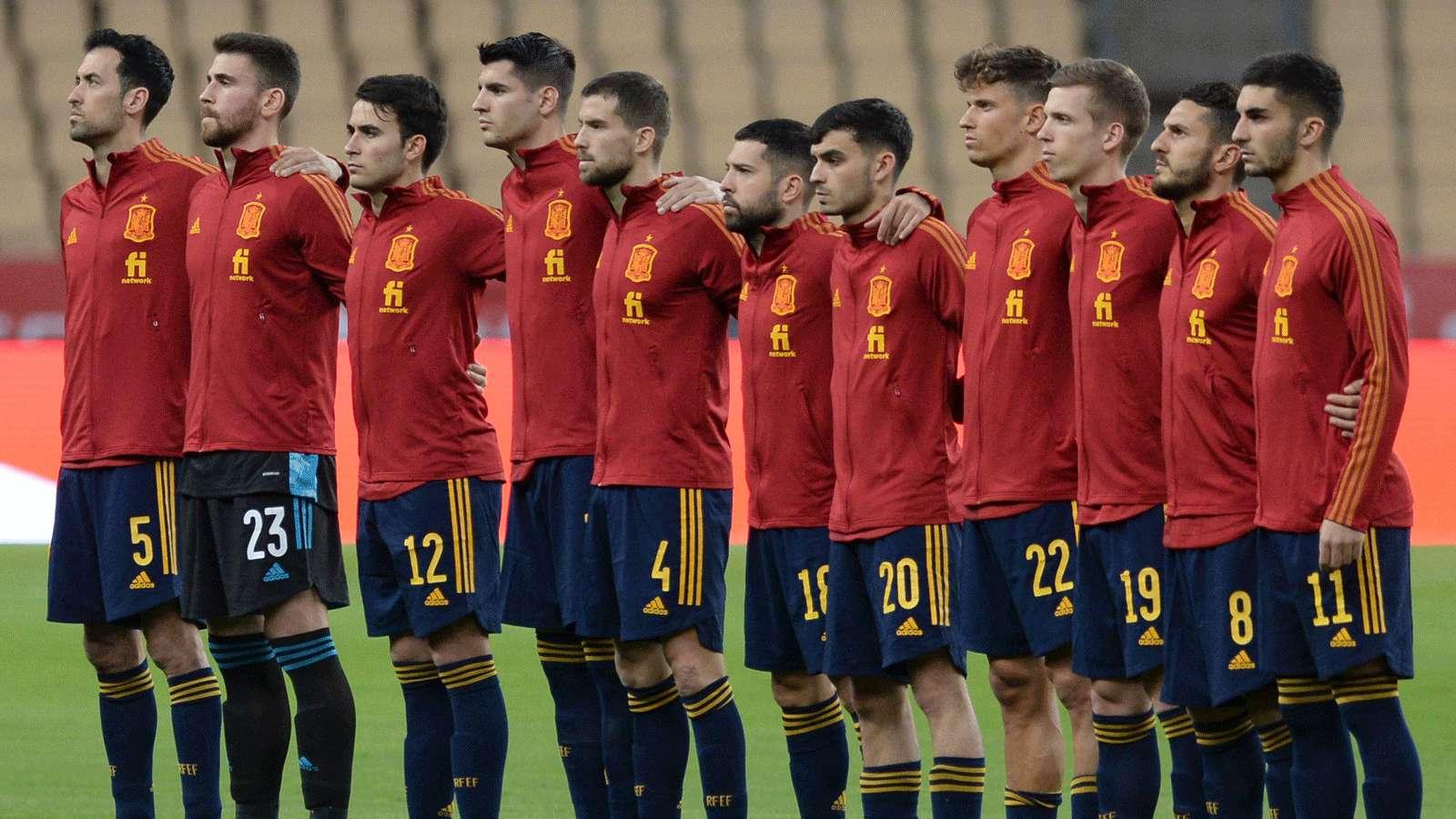
This distinctive feature of Spain’s national anthem has led to a different experience during the anthem ceremonies at international football events. While players from other countries belt out their anthems with passion and gusto, the Spanish players stand respectfully but silently, as there are no words for them to join in with.
Unique Circumstances in Europe
Across Europe, Spain is not the only country with a wordless national anthem. Other nations that compete without lyrics in their anthems include San Marino, Bosnia and Herzegovina, and Kosovo. This makes the Spanish national team part of a unique group of European teams that do not have lyrics in their anthems, setting them apart in the world of international football.
Despite not having any lyrics to sing along to, the Spanish national team still shows their pride and respect during the playing of ‘Marcha Real.’ The anthem’s stirring music and historical significance evoke a sense of national identity and unity among the players, even without words to vocalize.
Unique Tradition at the 2026 World Cup
As the 2026 World Cup approaches, football fans are eager to see how the unique situation of Spain’s wordless national anthem will play out during the tournament. With the eyes of the world on the players as they stand for their anthem before each match, the Spanish team’s silent yet dignified stance during ‘Marcha Real’ will undoubtedly be a memorable and distinctive moment.
While other teams may sing their hearts out during their anthems, Spain’s players will continue to uphold their tradition of silent respect for their instrumental national anthem, adding a touch of uniqueness to their presence on the international football stage.
In conclusion, the playing of national anthems before matches is a cherished tradition in football, and Spain’s wordless national anthem adds an intriguing and distinctive element to this tradition. As the Spanish national team prepares to compete at the 2026 World Cup, fans can look forward to witnessing this unique aspect of Spain’s national identity on display during the tournament.
Historical Origins of Spain’s National Anthem
The wordless nature of Spain’s national anthem, ‘Marcha Real,’ can be traced back to its historical origins. Originally a military march, the anthem has been used since the 18th century and was officially adopted as Spain’s national anthem in 1770. Despite several attempts to add lyrics over the years, the instrumental version has remained the preferred choice, emphasizing the anthem’s traditional and regal character.
Spain’s national anthem reflects the country’s rich history and cultural heritage, serving as a symbol of unity and pride for its people. The stirring music of ‘Marcha Real’ invokes a sense of patriotism and national identity, resonating with Spaniards across generations.
Controversy and Debate Surrounding Spain’s National Anthem
While the wordless nature of Spain’s national anthem is a source of pride for some, it has also sparked controversy and debate within the country. Critics argue that the lack of lyrics in ‘Marcha Real’ limits its ability to convey the values and ideals of modern Spain, calling for the addition of meaningful words that reflect the country’s diversity and progress.
On the other hand, supporters of the instrumental anthem view it as a timeless and elegant representation of Spain’s heritage, advocating for its preservation as a symbol of tradition and continuity. The ongoing dialogue surrounding Spain’s national anthem highlights the complex interplay between history, culture, and national identity in the country.
Impact on Spain’s Football Culture
The wordless national anthem has had a significant impact on Spain’s football culture, shaping the way in which players and fans engage with the pre-match ritual. While other national teams use their anthems as a rallying cry and source of motivation, the Spanish team’s silent rendition of ‘Marcha Real’ underscores a sense of solemnity and respect for tradition.
Despite the absence of lyrics, the instrumental anthem has become a unifying symbol for the Spanish national team, representing their shared history and heritage on the international stage. The players’ dignified silence during the anthem ceremony speaks volumes about their connection to the country and its cultural legacy.
Looking Ahead to the 2026 World Cup
As Spain prepares to compete in the 2026 World Cup, the unique situation surrounding their wordless national anthem adds an intriguing layer to their tournament experience. While other teams may vocalize their anthems with fervor and emotion, the Spanish players’ silent tribute to ‘Marcha Real’ will stand out as a testament to their heritage and identity.
Football fans around the world can anticipate a memorable and distinctive moment when the Spanish national team takes the field, standing proudly yet quietly for their instrumental anthem. The 2026 World Cup will provide a global stage for Spain to showcase their cultural richness and historical depth through the unique tradition of their national anthem.
In conclusion, Spain’s wordless national anthem is not just a musical curiosity but a reflection of the country’s complex history and cultural legacy. As the 2026 World Cup approaches, the playing of ‘Marcha Real’ will serve as a poignant reminder of Spain’s enduring traditions and the enduring power of music to unite and inspire.