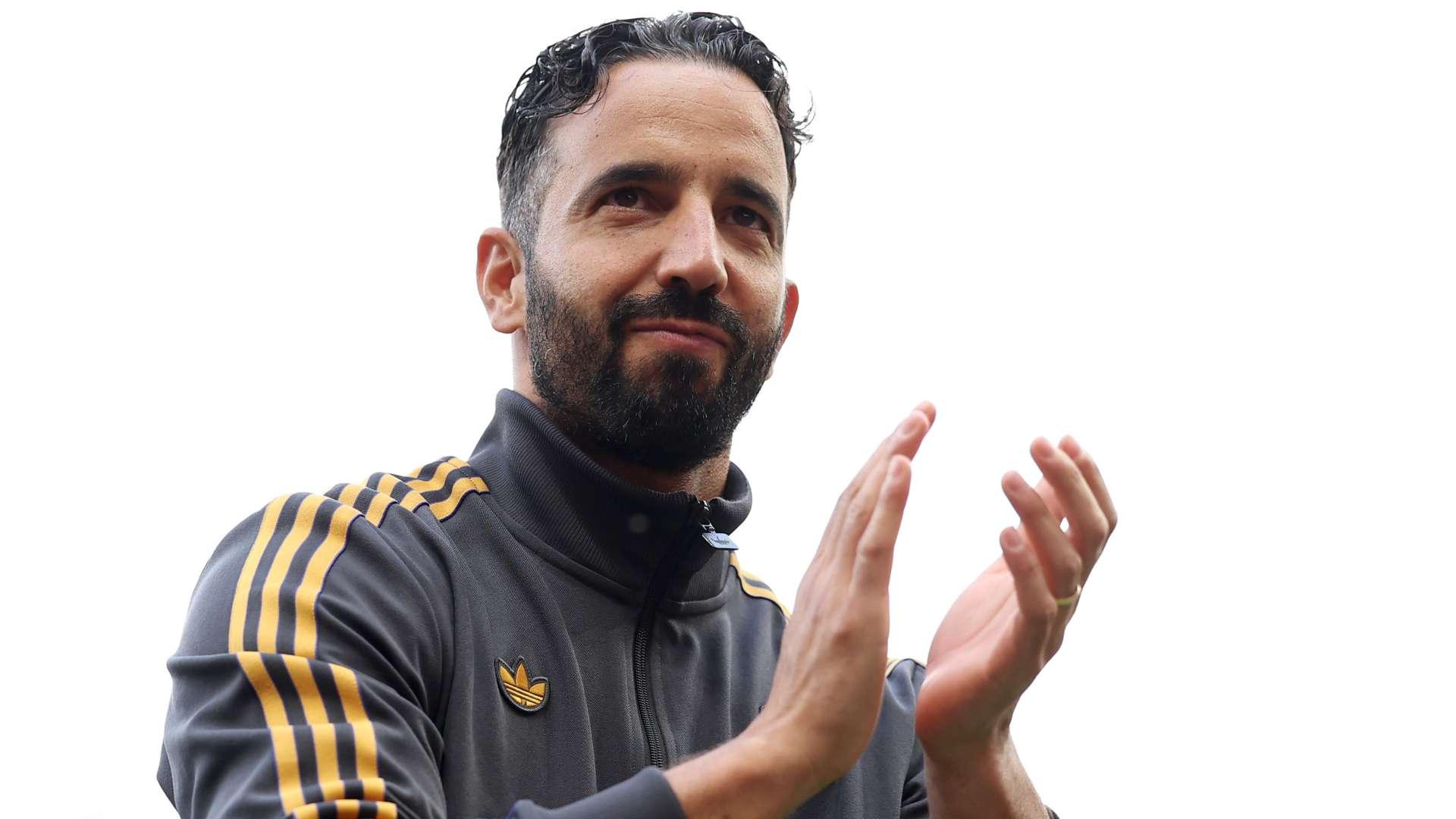
Jamie Carragher: Ruben Amorim’s Looks Saved Him from Sack at Manchester United
In a surprising revelation, former Liverpool player Jamie Carragher has claimed that Ruben Amorim’s good looks are the reason he has managed to evade being sacked from his position at Manchester United. The Portuguese coach has been struggling at Old Trafford, with a win ratio of just 36.96 per cent, making him a target for criticism and scrutiny.
Struggles at Old Trafford
Since taking over as manager of Manchester United, Ruben Amorim has faced challenges in turning the team’s performance around. With a win ratio well below the standard expected at a club like Manchester United, Amorim has found himself under increasing pressure from fans and the media.
Despite his struggles, Amorim has managed to hold on to his job, leading Carragher to suggest that his appearance may have played a role in saving him from the sack. This controversial claim has sparked debate among football fans and experts alike.
Not Considered Elite
While Amorim’s looks may have helped him in some ways, it has not been enough to elevate his status to that of a top-tier manager. Many in the football world do not consider him to be part of the managerial elite, given his relatively short and unremarkable track record.
However, Amorim’s ability to maintain his position at Manchester United despite his struggles has raised questions about the influence of factors beyond just performance when it comes to managerial decisions in football.
Debate Among Fans and Experts
Carragher’s comments have sparked a lively debate among fans and experts, with many questioning the role of appearance and other non-football-related factors in the world of football management. The idea that a manager’s looks could impact their job security has raised eyebrows and fueled discussions about the importance of performance versus perception.
As Manchester United continues to navigate a challenging season, all eyes will be on Amorim and whether he can turn things around for the team. Whether his looks will continue to play a role in his job security remains to be seen, but one thing is for sure – the debate around the influence of appearance in football will continue to be a topic of interest for many.
For more football news and updates, follow GOAL on WhatsApp and stay tuned for the latest developments in the world of sports!
The Challenge of Managing a Premier League Club
Managing a Premier League club like Manchester United is no small task. The pressure to deliver results, meet fan expectations, and navigate media scrutiny can be overwhelming for even the most seasoned managers. Ruben Amorim, despite his struggles, has persevered in the face of adversity, showcasing resilience in a high-stakes environment.
It is worth noting that the world of football management is highly competitive and unforgiving. Managers are constantly under the microscope, with every decision and result scrutinized by fans, pundits, and the club’s hierarchy. In such a demanding industry, factors beyond just tactical acumen and player management can come into play when evaluating a manager’s performance.
Perception vs. Reality in Football Management
The debate sparked by Carragher’s comments sheds light on the intersection of perception and reality in the world of football management. While performance on the pitch is crucial, it is interesting to consider how external factors such as appearance can influence a manager’s standing within the club and among supporters.
In a sport where aesthetics and image often play a significant role, the idea that a manager’s looks could impact their job security opens up a broader discussion about biases and stereotypes in football. It challenges the notion that success in football management should be solely based on merit and results, prompting reflection on the complexities of evaluating managerial competence.
The Evolution of Football Management
As the landscape of football management continues to evolve, it is essential to recognize the diverse factors that come into play when assessing a manager’s performance. While traditional metrics such as win ratios and trophies won remain key indicators of success, the industry’s growing emphasis on branding, marketability, and public perception has added new dimensions to the evaluation process.
Managers like Ruben Amorim serve as a case study in navigating the nuanced dynamics of modern football management. As clubs seek not only to excel on the pitch but also to enhance their global appeal and commercial viability, the role of appearance and image in managerial decisions may become increasingly prominent.
Looking Ahead
As Manchester United and Ruben Amorim face the challenges of the current season, the debate surrounding appearance and job security in football management is likely to persist. The evolving nature of the sport, coupled with the influence of external factors on managerial decisions, underscores the need for a comprehensive understanding of what constitutes success in the realm of football.
Ultimately, the ability to balance performance with perception, tactical acumen with image management, will be crucial for managers aspiring to thrive in the competitive world of football management. As the debate continues to unfold, one thing remains certain – the intricacies of the football industry will continue to captivate and intrigue fans and experts alike.
Stay tuned for more insightful football news and updates from GOAL as we delve deeper into the ever-evolving world of sports!