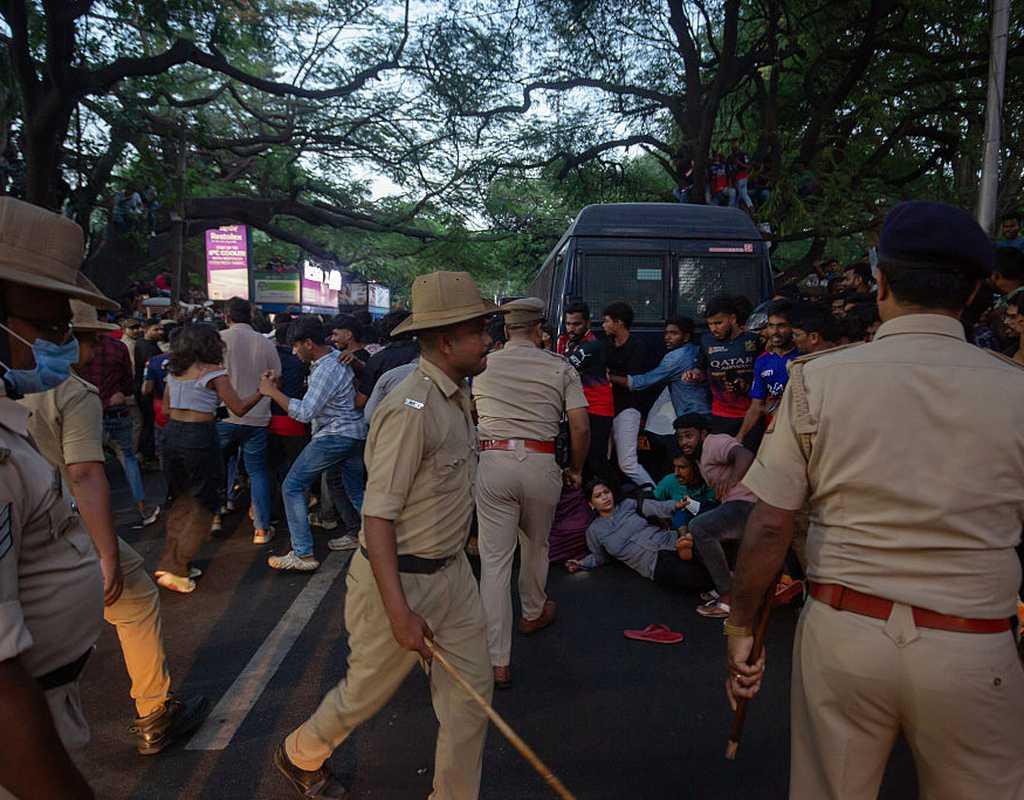
Arrests Made in Connection with Tragic Incident Outside Chinnaswamy Stadium
On Friday, the Bengaluru Police made a significant move by arresting key officials from Royal Challengers Bengaluru (RCB) and DNA Entertainment Network in connection with the tragic incident that occurred outside the M Chinnaswamy Stadium. The arrests were made following orders from Karnataka’s chief minister Siddaramaiah, who took swift action after 11 people lost their lives in a stampede during RCB’s IPL victory celebrations on June 2.
Arrested Individuals
Among those arrested were Nikhil Sosale, the Head of Marketing and Revenue at RCB, and employees from DNA Entertainment Network, Kiran Kumar (Senior Event Manager) and Sunil Mathew (Vice President – Business Affairs). The arrests sent shockwaves through the cricketing community and raised questions about the events leading up to the tragic incident.
Government’s Response
In response to the tragedy, Karnataka CM Siddaramaiah announced the formation of a one-man judicial commission, headed by retired high court judge Justice Michael D’Cunha, to investigate the incident. The commission has been tasked with providing a report within 30 days. Additionally, orders were given to the Inspector General of Police (IGP) and Director General of Police (DGP) to immediately arrest the RCB representative, DNA event managers, and the individual representing the Karnataka State Cricket Association (KSCA).
Siddaramaiah’s decisive actions also included the suspension of several top police officials, including Bengaluru Police Commissioner B Dayananda, additional commissioner (west) Vikash Kumar Vikash, and DCP (central) Shekhar H Tekkannavar. The Chief Minister emphasized the need for a thorough investigation into the incident and promised that those responsible would be held accountable.
Next Steps
With the arrests made and the judicial commission in place, the focus now shifts to uncovering the circumstances that led to the tragic stampede outside the Chinnaswamy Stadium. The cricketing world is watching closely as the investigation unfolds and awaits the findings of the commission.
As details continue to emerge, questions remain about the safety measures in place during public events and the responsibilities of event organizers and authorities. The incident has sparked a broader conversation about crowd management and security at sporting events, prompting calls for stricter regulations and accountability.
It is clear that the repercussions of the incident will be far-reaching, impacting not only the individuals directly involved but also the larger community of cricket fans and stakeholders. The coming days are likely to bring more developments as the investigation progresses and efforts are made to prevent similar tragedies in the future.
Public Outcry and Safety Concerns
The arrests made in connection with the tragic incident outside Chinnaswamy Stadium have stirred a wave of public outcry and raised serious concerns about safety protocols during large public gatherings, especially at high-profile cricket events. The stampede that resulted in several fatalities has highlighted the need for stricter enforcement of crowd management measures and heightened security procedures.
Cricket fans, sports enthusiasts, and the general public are calling for improved safety standards at stadiums and event venues to prevent similar incidents from occurring in the future. The incident has underscored the importance of proper planning, coordination, and oversight by event organizers, local authorities, and law enforcement agencies to ensure the safety and well-being of attendees.
Accountability and Transparency
The swift action taken by Karnataka’s chief minister and the arrest of key officials signal a commitment to holding individuals accountable for their roles in the tragic events that unfolded outside the stadium. The establishment of a judicial commission to investigate the incident demonstrates a dedication to transparency and thorough scrutiny of the circumstances leading to the stampede.
As the investigation progresses, there is a growing expectation for transparency, accountability, and justice to prevail. The findings of the judicial commission are eagerly awaited, as they are expected to shed light on the lapses in safety measures, organizational oversights, and potential negligence that contributed to the unfortunate loss of lives.
Lessons Learned and Preventative Measures
The tragic incident outside Chinnaswamy Stadium serves as a stark reminder of the critical need for proactive measures to prevent overcrowding, ensure emergency preparedness, and prioritize public safety at large-scale events. It has prompted a reevaluation of existing protocols, guidelines, and regulations governing crowd control and event management.
Authorities, event organizers, and venue operators are being urged to reexamine their safety protocols, implement stricter regulations, and enhance training programs for staff involved in event planning and execution. Lessons learned from this tragedy can inform future decision-making and guide the implementation of preventive measures to avert similar crises.
Rebuilding Trust and Restoring Confidence
As the investigation continues and efforts are made to address the underlying causes of the tragic incident, a critical aspect of the recovery process involves rebuilding trust and restoring confidence among the public, cricket fans, and stakeholders. Transparency, accountability, and communication will play key roles in restoring faith in the safety and security measures implemented at sporting events.
Collaborative efforts between law enforcement agencies, event organizers, government authorities, and the community at large will be essential in developing a comprehensive strategy to prevent future tragedies and ensure the well-being of spectators and participants. By collectively addressing the shortcomings exposed by this incident, stakeholders can work towards creating a safer and more secure environment for all attendees.
Conclusion
The arrests made in connection with the tragic incident outside Chinnaswamy Stadium have sparked a broader conversation about safety, accountability, and transparency in event management. The judicial commission’s investigation, along with ongoing efforts to strengthen safety measures and improve crowd management practices, represent critical steps towards preventing similar tragedies in the future.
As the cricketing community and the public await the findings of the commission and the implementation of corrective actions, there is a shared commitment to ensuring that events are conducted with the highest standards of safety and security. Through collaboration, vigilance, and a dedication to learning from past mistakes, stakeholders can work together to create a safer and more resilient environment for all individuals attending sporting events.