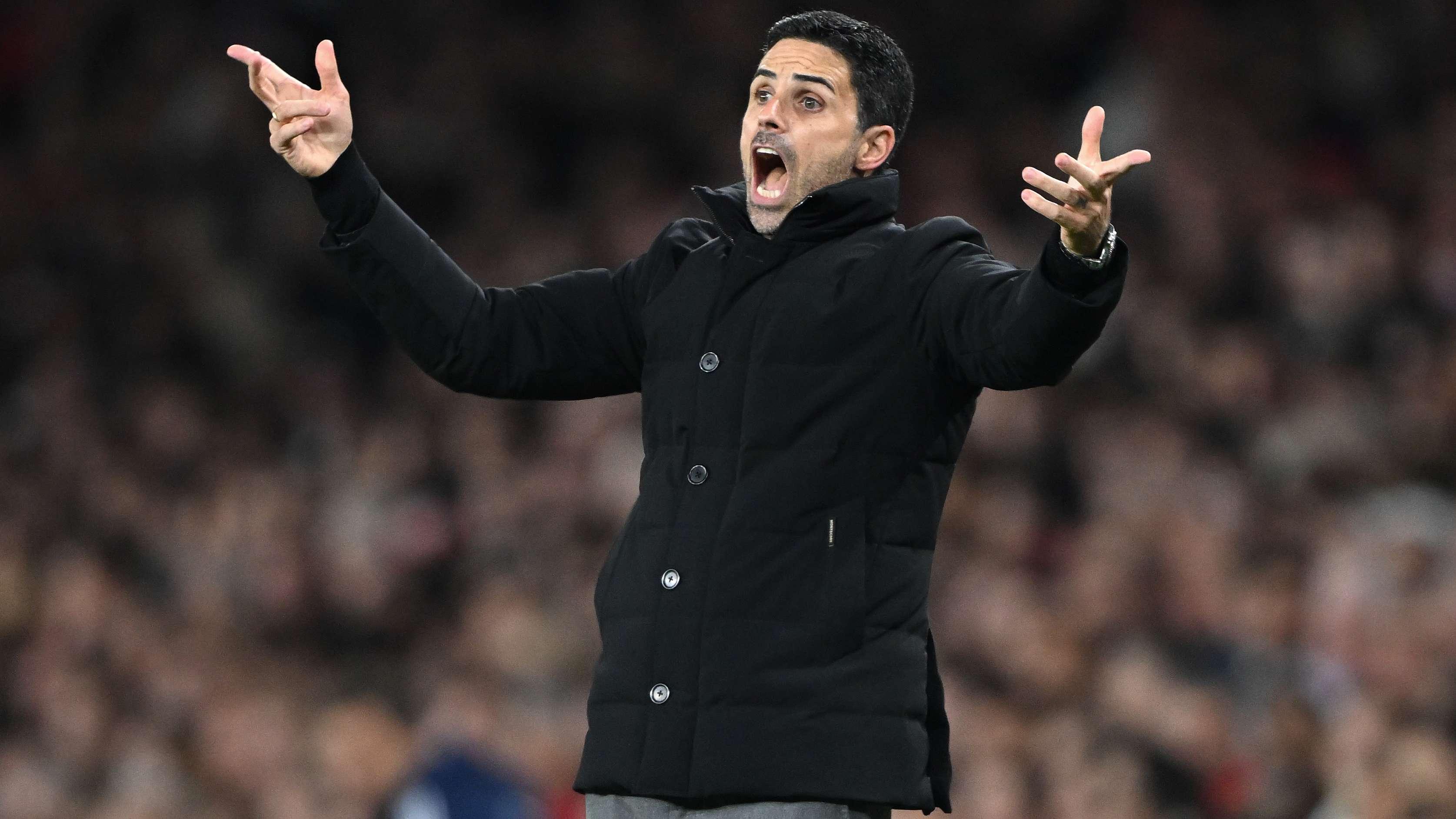
The Premier League Under Fire: Arsenal Accused of “Killing” Football with “Boring” Tactics
Recent accusations have surfaced claiming that Arsenal, under the management of Mikel Arteta, are “killing” the Premier League with their perceived “boring” tactics. Despite currently sitting at the top of the Premier League table, the Gunners have faced criticism for their use of set-pieces and long throws, which have been deemed unexciting and unimaginative by some critics.
Controversial Tactics
Arsenal’s rise to the top of the Premier League has been marred by controversy surrounding their playing style. While the team’s results speak for themselves, with a three-point lead over Manchester City, many fans and pundits have voiced their disapproval of the Gunners’ tactics under Arteta.
One of the main points of contention has been Arsenal’s heavy reliance on set-pieces and long throws as part of their attacking strategy. These tactics, while effective in securing points, have been labeled as uninspiring and lacking in creativity by those who believe football should be played with flair and finesse.
Copycat Behavior
Interestingly, Arsenal’s tactics have not only drawn criticism but have also sparked a trend among other teams in the Premier League. Several clubs have been observed incorporating similar set-piece routines and long throws into their own gameplay, leading to accusations that the Gunners’ style of play is influencing the overall landscape of English football.
This copycat behavior has raised questions about the impact Arsenal’s tactical approach could have on the league as a whole. While some view it as a sign of respect and admiration for Arteta’s methods, others fear that the proliferation of these tactics could result in a shift towards a more conservative and predictable style of play across the Premier League.
Defending the Tactics
Despite the backlash, Arteta and his team have stood by their tactics, emphasizing the importance of securing results and climbing to the top of the table. The Gunners’ defensive record, in particular, has been highlighted as evidence of the effectiveness of their set-piece routines and strategic approach to the game.
Arteta has defended his team’s tactics, stating that winning matches and competing for the title is their primary objective, regardless of the style of play they adopt. The manager has remained unfazed by the criticism, focusing on maintaining Arsenal’s position at the top of the league and continuing their pursuit of success.
Looking Ahead
As the accusations against Arsenal continue to circulate, the team faces the challenge of balancing results with the desire for more entertaining football. Whether Arteta will adapt his tactics in response to the criticism or continue to prioritize efficiency remains to be seen.
With the Premier League season in full swing, all eyes are on Arsenal as they navigate the complexities of modern football and strive to maintain their position at the top of the table. Only time will tell if the Gunners’ tactics will ultimately be their downfall or their key to success in the fiercely competitive world of English football.
Evolution of Tactics in Modern Football
The debate surrounding Arsenal’s playing style reflects a larger shift in the landscape of modern football tactics. In an era where results are paramount, many teams are opting for pragmatic approaches focused on defensive solidity and efficiency rather than flashy, attacking football.
With the increasing financial stakes in football, clubs are under immense pressure to deliver results and secure lucrative deals. This has led to a more risk-averse mindset among managers, who prioritize pragmatism over entertainment in their quest for success.
The Rise of Data Analytics
Another factor influencing the trend towards conservative tactics is the growing reliance on data analytics in football. With advanced statistics and performance metrics at their disposal, managers are able to analyze and optimize their tactics to maximize efficiency and minimize risks.
Arsenal’s emphasis on set-pieces and long throws may be a strategic response to data-driven insights that highlight the effectiveness of these methods in creating scoring opportunities and securing points. In a results-driven industry, clubs are increasingly turning to data-driven decision-making to gain a competitive edge.
Fans’ Expectations vs. Results
The criticism leveled at Arsenal’s tactics also raises questions about the evolving expectations of football fans. While supporters value entertaining football, they ultimately want to see their team succeed and compete for titles.
In an age where social media amplifies every opinion, managers like Arteta face the challenging task of balancing the demands of fans for attractive football with the need to deliver results. The pressure to please both traditionalists who value the beautiful game and pragmatists who prioritize winning is a delicate balancing act that many managers grapple with.
Innovation vs. Tradition
The debate over Arsenal’s playing style encapsulates the tension between innovation and tradition in football. While some see the Gunners’ tactics as a breath of fresh air that challenges conventional wisdom, others view them as a departure from the essence of the game.
As football continues to evolve, managers like Arteta must navigate this delicate balance between pushing the boundaries of tactical innovation and honoring the rich traditions and history of the sport. Finding the right mix of creativity and pragmatism is crucial in shaping a team’s identity and achieving success on the pitch.
Conclusion
As Arsenal grapples with accusations of “killing” football with their tactics, the broader implications of their playing style reverberate throughout the Premier League and the footballing world. The ongoing debate serves as a reflection of the complex interplay between results-driven pragmatism, fan expectations, data analytics, and the eternal quest for success in modern football.
Whether Arsenal’s tactics will ultimately define their season or if they will need to adapt to meet the evolving demands of the game remains to be seen. In a sport as dynamic and unpredictable as football, one thing is certain – the only constant is change, and the only certainty is uncertainty.