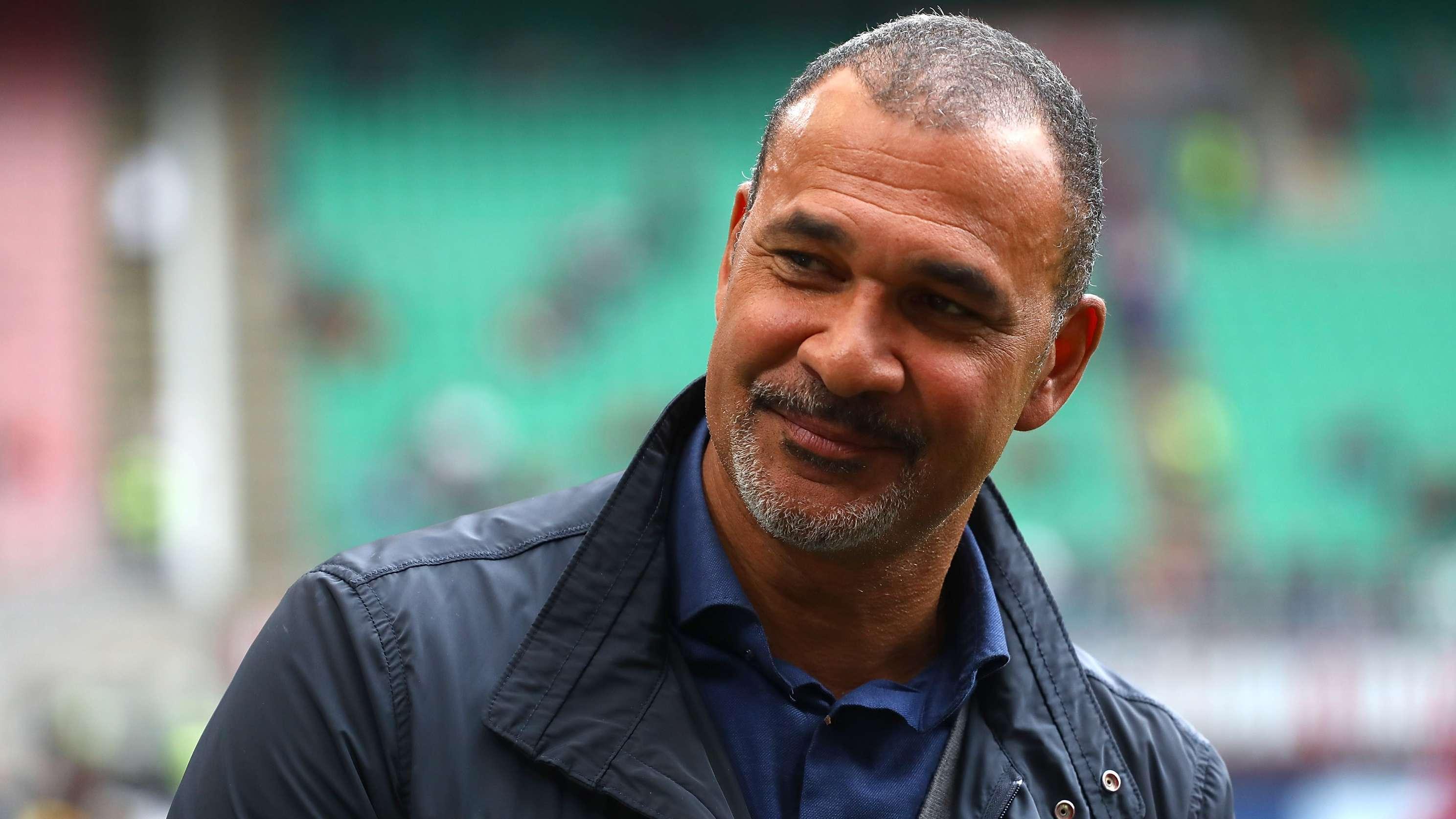
Ruud Gullit Reflects on the Challenges of Management in Football
Former football superstar Ruud Gullit recently opened up about his experiences as a manager in the world of football. The Dutchman, who had a successful playing career before transitioning into management, shared his thoughts on the harsh realities of being a manager and the lack of control they often face.
A Candid Reflection on Managerial Career
During a recent interview, Gullit revealed that he never actively sought out management roles but rather found himself in those positions due to circumstances. Despite his undeniable talent as a player, Gullit admitted that he faced challenges and setbacks when he stepped into the managerial role.
Gullit’s time as the manager of Chelsea in 1998 was particularly tumultuous, as he was ultimately sacked from the position. Reflecting on this experience, Gullit shared that being dismissed was a difficult and humbling experience. He acknowledged that the world of football management can be unforgiving, with little room for error.
The Harsh Realities of Management in Football
Gullit’s insights shed light on the challenges that managers face in the highly competitive world of football. From dealing with player egos to managing team dynamics and navigating the pressure from fans and club owners, the role of a football manager is complex and demanding.
One of the key points Gullit emphasized was the lack of control that managers often have over their own destinies. Despite their best efforts, external factors such as results on the field and off-field controversies can ultimately determine a manager’s fate.
Navigating the Ups and Downs of a Managerial Career
Despite the challenges and uncertainties that come with being a football manager, Gullit remained philosophical about his experiences. He acknowledged that while being sacked was a painful experience, it also offered valuable lessons and insights that have shaped his perspective on the game.
As he looks back on his managerial career, Gullit remains grateful for the opportunities he had to lead teams and make an impact in the football world. He hopes that his experiences can serve as a learning opportunity for aspiring managers and players alike.
Final Thoughts
Ruud Gullit’s candid reflections on his managerial career offer a unique perspective on the challenges and rewards of being a football manager. From the highs of success to the lows of being sacked, Gullit’s journey serves as a reminder of the resilience and determination required to thrive in the competitive world of football management.
As fans and aspiring managers alike continue to navigate the complexities of the beautiful game, Gullit’s insights serve as a valuable resource for understanding the realities of life in the fast-paced world of football.
Challenges of Player-Manager Transition
Transitioning from being a successful player to a manager comes with its own set of unique challenges. Gullit’s experience highlights the difficulties that players often face when stepping into a managerial role. The shift from being on the pitch to managing a team requires a different skill set and mindset, which not all players are able to seamlessly adapt to.
Gullit’s honesty about not actively seeking out managerial roles but rather falling into them sheds light on the unpredictability of a player’s post-retirement career. Many former players, like Gullit, find themselves thrust into management positions without proper training or preparation, leading to a steep learning curve and inevitable struggles.
The Role of Mentorship in Football Management
One aspect that could potentially mitigate the challenges faced by player-turned-managers is mentorship. Gullit’s journey could have been smoother if he had access to experienced mentors who could guide him through the nuances of football management. Mentorship programs for former players looking to transition into coaching roles could provide invaluable support and help them navigate the complexities of the managerial world.
By sharing his experiences and insights, Gullit can inspire a new generation of managers to seek out mentorship opportunities and learn from those who have walked the path before them. Mentorship not only provides practical advice but also emotional support during challenging times, helping managers weather the storms that inevitably come their way.
Building Resilience and Adaptability in Football Managers
Gullit’s reflections underscore the importance of resilience and adaptability in the world of football management. The ability to bounce back from setbacks, learn from failures, and adapt to changing circumstances is crucial for long-term success in the managerial role. Gullit’s own journey, marked by highs and lows, serves as a testament to the resilience needed to thrive in such a competitive environment.
Aspiring managers can look to Gullit’s story as a source of inspiration and motivation to develop their own resilience and adaptability. By embracing challenges as learning opportunities and staying flexible in their approach, managers can better navigate the unpredictable nature of football and carve out successful careers in the industry.
Conclusion
Overall, Ruud Gullit’s reflections on the challenges of management in football offer a nuanced and insightful perspective on the realities of the role. From the lack of control to the importance of resilience and adaptability, Gullit’s experiences provide valuable lessons for aspiring managers looking to make their mark in the world of football.
By learning from Gullit’s journey and incorporating his insights into their own approaches, managers can better equip themselves to tackle the complexities and demands of football management. Ultimately, Gullit’s story serves as a reminder of the resilience, determination, and passion required to succeed in the competitive and ever-evolving world of football.