Manchester United Protest Group Blames Glazer Family for Club Crisis
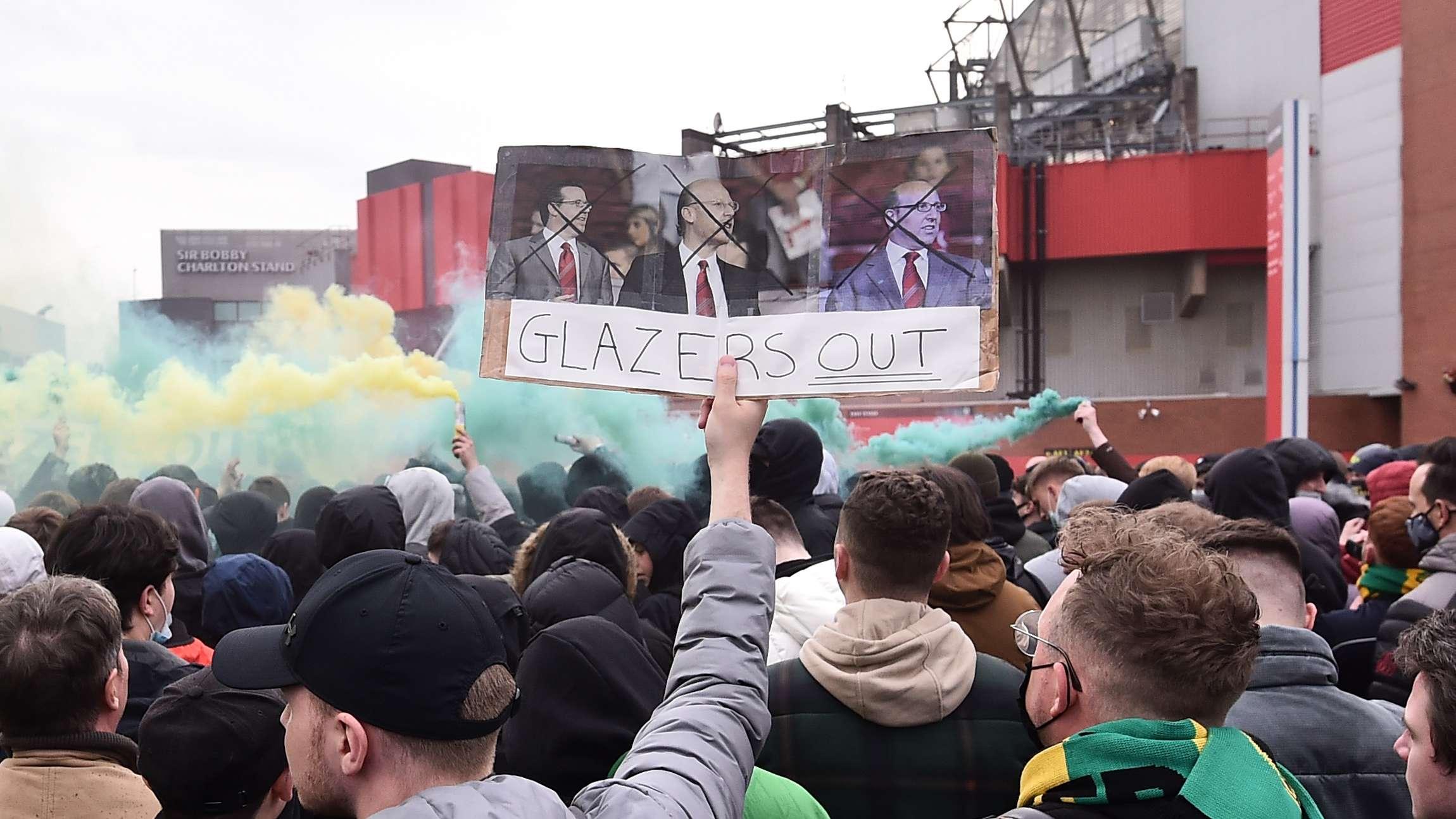
A Manchester United protest group has recently come forward to blame the Glazer family for what they describe as the club’s “biggest crisis since the Munich air disaster.” The group, known as The 1958, has been vocal in their criticism of the club’s ownership and their management of the team.
Up in Arms Against Glazers
The 1958 has been particularly critical of the Glazer family’s handling of the club, accusing them of prioritizing profits over the team’s success. They have pointed to issues such as rising ticket prices and lack of investment in the squad as evidence of the owners’ negligence.
The group has been urging fans to join them in protest against the Glazers, calling for a united front against what they see as the root cause of the club’s decline. They have organized demonstrations outside Old Trafford and have been distributing flyers and banners calling for the owners to sell the club.
Wearing Black in Protest
In a show of solidarity, The 1958 has urged fans to wear black for the visit of Arsenal, symbolizing their mourning for the state of the club under the Glazers’ ownership. The group’s message is clear: they believe that drastic action is needed to save Manchester United from what they see as a slow and painful decline.
The protest group has also been using social media to spread their message, with hashtags such as #GlazersOut gaining traction among fans who share their frustrations. They have been calling for a boycott of merchandise and match tickets in an effort to hit the owners where it hurts – their pockets.
Looking Towards the Future
As Manchester United continues to struggle both on and off the pitch, the pressure on the Glazer family is mounting. Fans are increasingly disillusioned with the direction the club is heading, and many see the current crisis as a turning point in their relationship with the owners.
While the Glazers have remained largely silent in response to the protests, it is clear that they can no longer ignore the growing discontent among the fanbase. The 1958 and other protest groups are vowing to keep up the pressure until real change is seen at the club.
As the debate over the Glazers’ ownership of Manchester United rages on, one thing is certain – the fans are determined to have their voices heard. Whether this will lead to actual change at the club remains to be seen, but one thing is for sure: the passion and loyalty of Manchester United supporters will not waver in their pursuit of a brighter future for their beloved club.
Follow GOAL on WhatsApp! 🟢📱
Impact of Fan Protests on Club Management
The protest group, The 1958, is just one example of the growing discontent among Manchester United fans towards the Glazer family’s ownership of the club. The pressure from fans has not only been vocal but has also started to affect the club’s management decisions. In response to fan protests, Manchester United announced the creation of a fan advisory board to improve communication between supporters and the club’s decision-makers. This move signifies the impact that fan activism can have on the operations of a football club.
Financial Implications of Fan Boycotts
One of the tactics employed by The 1958 and other protest groups is the call for a boycott of merchandise and match tickets. This form of economic protest can have significant financial implications for the club. A decrease in merchandise sales and match attendance can directly impact the club’s revenue stream, forcing the owners to reconsider their strategies. The financial pressure from fan boycotts adds another layer of complexity to the ongoing debate about ownership and governance at Manchester United.
Historical Context of Fan Activism
The comparison made by The 1958 between the current crisis at Manchester United and the Munich air disaster in 1958 sheds light on the historical significance of fan activism. Throughout the history of football, fans have played a crucial role in shaping the identity and values of their clubs. The current protests at Manchester United are part of a long tradition of fan activism aimed at preserving the integrity and legacy of football clubs.
Global Solidarity Among Supporters
While the protests led by The 1958 are primarily focused on issues specific to Manchester United, the underlying sentiment of fan discontent resonates with supporters of other football clubs as well. Fans across different teams and leagues have come together in solidarity to demand greater accountability and transparency from club owners. The global reach of social media has facilitated the exchange of ideas and strategies among fan groups, creating a united front against perceived injustices in football governance.
The Future of Fan Activism in Football
The actions taken by The 1958 and other protest groups signal a shift in the power dynamics within the football industry. Fans are no longer passive consumers but active participants in the governance of their clubs. The success of fan activism at Manchester United may set a precedent for future movements within the football community, challenging traditional hierarchies and demanding a more democratic approach to club management. As the debate over ownership and governance in football continues, the voices of fans are becoming increasingly influential in shaping the future of the sport.
Stay up to date with the latest football news from around the world with GOAL! 🌍⚽