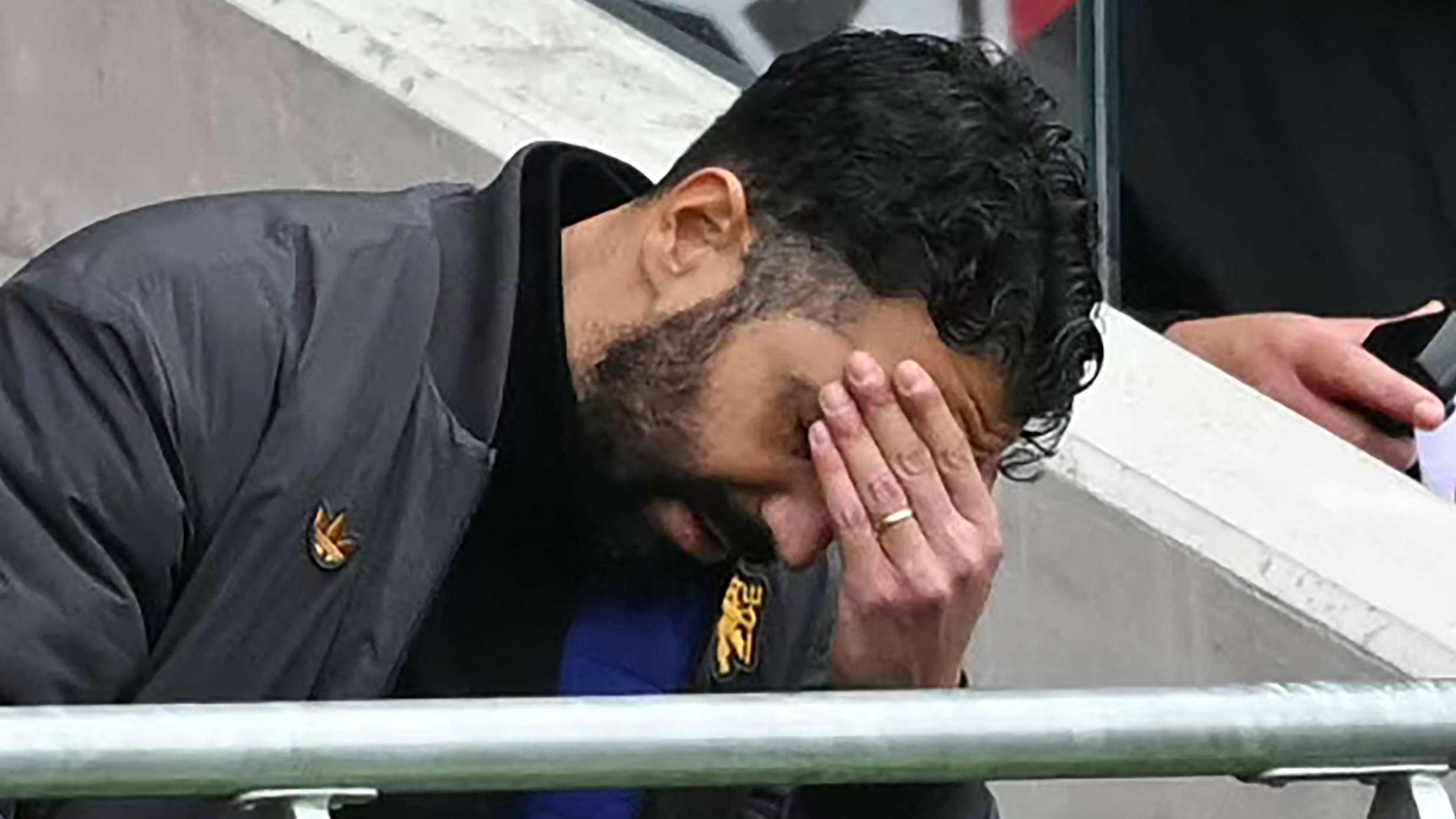
Referee Chief Howard Webb Addresses Manchester United’s Recent Defeat
Howard Webb, the referee chief, has taken the unusual step of reaching out to Manchester United officials to explain a crucial error made by matchday official Craig Pawson during their recent match against Brentford. The error occurred during a crucial moment in the game when Manchester United were only a goal down and had plenty of time left to potentially turn the match around.
The Revelation of the Mistake
Howard Webb’s decision to personally address Manchester United’s management highlights the significance of the error made by Craig Pawson during the match against Brentford. The mistake in question could have had a significant impact on the outcome of the game, which ultimately ended in a damaging 3-1 defeat for Manchester United.
Webb’s outreach to Manchester United not only acknowledges the error but also shows a commitment to transparency and accountability in refereeing decisions. By admitting that a mistake was made, Webb has opened up a dialogue with the club and fans about the importance of accurate officiating in football matches.
The Impact on Manchester United
The error made by Craig Pawson during the match against Brentford could have potentially changed the course of the game for Manchester United. With the team only a goal down and plenty of time left on the clock, the decision made by the matchday official could have influenced the outcome of the match in a different direction.
For Manchester United, the 3-1 defeat against Brentford was a significant setback in their season, highlighting the importance of accurate refereeing decisions in football matches. The outreach from Howard Webb serves as a reminder of the impact that officiating can have on the outcome of games and the need for fair and consistent decision-making on the pitch.
The Importance of Officiating in Football
Howard Webb’s decision to address the error made by Craig Pawson during the match against Brentford underscores the importance of officiating in football. Referees play a crucial role in ensuring fair play and upholding the integrity of the game, making accurate decisions that can ultimately determine the outcome of matches.
By acknowledging and addressing mistakes made by officials, like in the case of the match between Manchester United and Brentford, Howard Webb is promoting transparency and accountability in refereeing. This commitment to fairness and accuracy is essential in maintaining the trust and credibility of football matches at all levels.
In conclusion, Howard Webb’s outreach to Manchester United regarding the error made by Craig Pawson during their recent defeat by Brentford highlights the importance of accurate officiating in football matches. By addressing the mistake and opening up a dialogue with the club, Webb is promoting transparency and accountability in refereeing decisions, ultimately benefiting the integrity of the game.
Reactions from Fans and Analysts
Following Howard Webb’s admission of the officiating error in the Manchester United vs. Brentford match, fans and football analysts have been quick to weigh in on the impact of such mistakes on the game. Many fans expressed frustration at the missed call, believing it directly affected the outcome of the match. Analysts have also highlighted the need for better technology or additional referee support to minimize human errors during crucial moments in games.
Some fans have called for VAR (Video Assistant Referee) to be implemented more effectively to prevent such errors in the future. VAR has been a topic of debate in football, with some arguing that its use can help improve the accuracy of officiating decisions, while others believe it disrupts the flow of the game. The Manchester United vs. Brentford incident has reignited discussions about the role of technology in modern football and how it can impact the fairness of matches.
The Pressure on Match Officials
The incident involving Craig Pawson’s error in the Manchester United vs. Brentford match sheds light on the intense pressure that match officials face during high-stakes games. Referees and their assistants are tasked with making split-second decisions that can have far-reaching consequences for teams, players, and fans. The scrutiny and criticism that officials face, especially in the age of social media and instant replays, add to the challenges of their already demanding role.
Howard Webb’s initiative to address the mistake made by Pawson demonstrates the human aspect of refereeing and the acknowledgment that errors can occur. While fans and teams may demand perfection from officials, it is essential to remember that referees are also prone to making mistakes under immense pressure. The incident serves as a reminder of the complexities and challenges faced by match officials in the fast-paced world of football.
The Call for Consistency and Training
In light of the error made by Craig Pawson during the Manchester United vs. Brentford match, there have been calls for increased consistency and training for match officials. Consistency in decision-making is crucial for the credibility of football matches, as fans and teams rely on referees to enforce the rules of the game fairly and accurately.
Training programs and ongoing education for referees and officials can help improve their judgment, decision-making skills, and understanding of the rules. By investing in the development of match officials, football governing bodies can help mitigate errors and enhance the overall quality of officiating in the sport. The Manchester United incident serves as a catalyst for discussions on how to improve the professionalism and performance of referees at all levels of the game.
Overall, the revelation of the officiating error in the Manchester United vs. Brentford match has sparked important conversations about the role of referees, the impact of technology on officiating, and the challenges faced by match officials. Howard Webb’s outreach to Manchester United underscores the need for transparency, accountability, and continuous improvement in refereeing practices to ensure the integrity and fairness of football matches around the world.