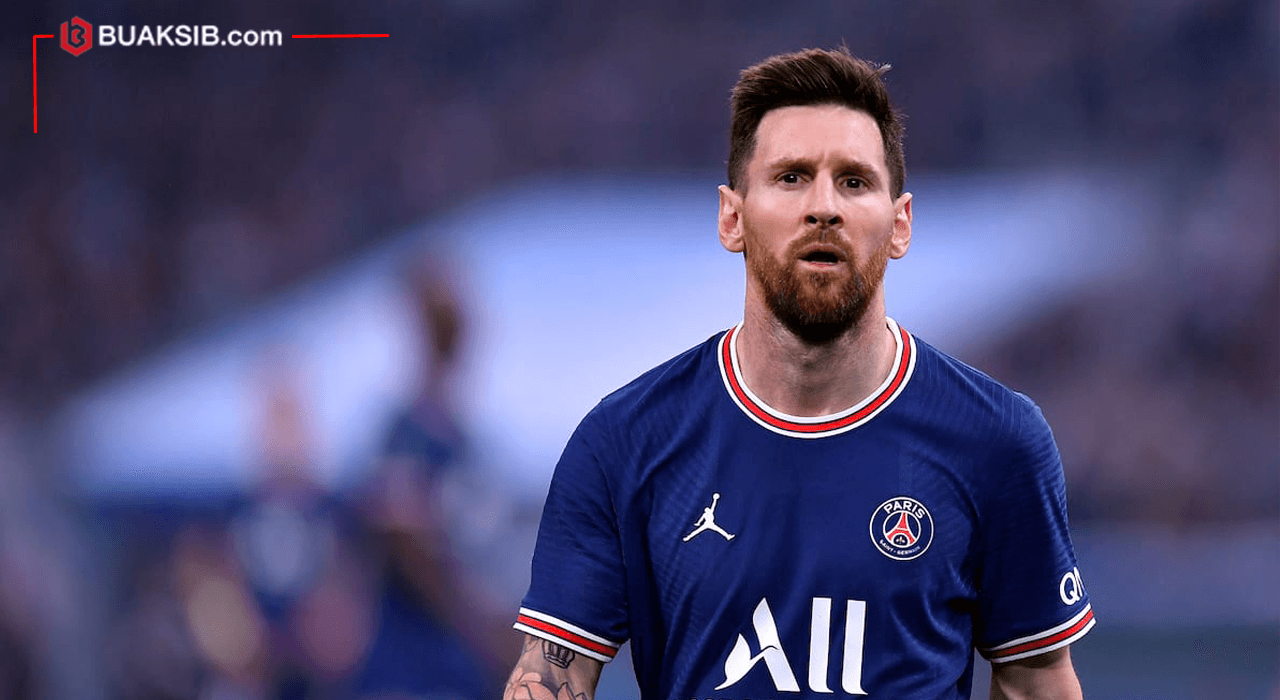
Sports marketing experts consulted by EFE have identified these potential downsides, but they have also highlighted positive aspects of Messi’s departure, such as a reduction in the wage bill and an improvement in the image of PSG itself.
The renegotiation of international rights that end in 2024 could be influenced by Messi’s departure
PSG are facing potential negative effects on its finances due to the expected departure of Lionel Messi this summer, including lower-than-expected growth in international TV rights and a 10 per cent drop in shirt sales. Sports marketing experts consulted by EFE have identified these potential downsides, but they have also highlighted positive aspects of Messi’s departure, such as a reduction in the wage bill and an improvement in the image of PSG itself.
Chaudel notes that international rights may progress in the next contract
One of the first negative effects of Ligue 1 without Messi could be the renegotiation of international rights. Ligue 1 currently earns only €80 million a year from sales outside France, which is significantly less than the Spanish championship and the Premier League, which earn around €2 billion per season. According to Virgile Caillet, a prominent sports marketing executive in France, the renegotiation of international rights that end in 2024 could be influenced by Messi’s departure. Vincent Chaudel, another expert in the field, agrees that it would be challenging to negotiate abroad with markets such as Asia or Latin America without Messi and Neymar in Ligue 1.
Chaudel notes that international rights may progress in the next contract, but not as much if those two stars are not in France. He adds that if Messi goes to a league that competes with France, such as Spain, the damage to Ligue 1 would be greater.

Messi’s expected departure may help PSG move closer to UEFA’s financial fair play parameters
Although Messi’s departure may lead to a 10% drop in PSG’s shirt sales, both Caillet and Chaudel believe that it is a realistic figure and that the decrease in revenue will not significantly impact the club’s finances. Only 20 per cent of the total price of the jerseys goes to the club, with most of it going to the manufacturer and distributor. Messi has also contributed to the visibility of PSG’s networks, which had 150 million followers in January 2022, a 50 per cent increase from the previous year. Messi’s expected departure may help PSG move closer to UEFA’s financial fair play parameters, which would allow the club to make signings in the summer transfer window.
The Argentine star’s annual salary of €80 million, including salary, social security payments, and incentives, will be reduced, resulting in a lower wage bill for the club. Additionally, PSG’s image may improve, as the club has been accused of being too lenient with its stars. By sanctioning Messi, the club will send a strong message.
Despite Messi’s significant contributions to PSG’s revenues, his departure may not significantly impact the club’s finances in the long run. PSG has already amortized a significant portion of what it paid for the Argentine captain, and his departure will help the club reduce its wage bill and move closer to UEFA’s financial fair play parameters. While there may be short-term negative effects on PSG’s finances, the club may benefit from Messi’s departure in the long run.