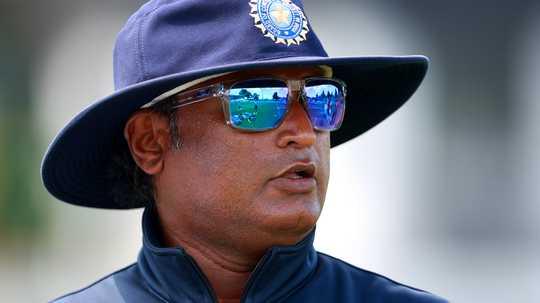
Ramesh Powar Appointed to Men’s Cricket Selection Committee, Succeeding Ajit Agarkar
In a significant development for Indian cricket, Ramesh Powar has been officially appointed as a member of the men’s national cricket selection committee, marking a new chapter in the team’s strategic planning and talent identification. The committee, which plays a crucial role in shaping the future of Indian cricket, will now be led by former Indian cricketer Pragyan Ojha, who steps into the role following the departure of Ajit Agarkar. This transition comes at a pivotal time as the Indian cricket team prepares for upcoming international assignments, including high-profile series across all formats.
Details of the Appointment and Committee Structure
The selection panel, under the leadership of Ojha, is responsible for choosing players for the Indian cricket team, including the Test, ODI, and T20 formats. Ojha, a respected former left-arm spinner, has been serving as the interim head of the committee and brings a wealth of experience from his playing days. His seniority, based on the number of Tests played, positioned him naturally to assume the chairman’s role permanently.
Ramesh Powar, who has had a commendable career as a spin bowler and later as a coach, was appointed through a thorough and transparent process. His selection was confirmed unanimously by the Cricket Advisory Committee (CAC), which included veteran cricket administrators Ashok Malhotra and Jatin Paranjape. The CAC conducted interviews on October 15 at the BCCI headquarters in Mumbai, considering several highly qualified candidates for the position.
Ramesh Powar’s Cricketing and Coaching Journey
Ramesh Powar’s journey in cricket has been marked by resilience and dedication. As a player, he represented India in two Test matches and 31 One Day Internationals (ODIs) between 2004 and 2007. Despite a relatively limited international career, Powar left an indelible mark with his skillful left-arm spin bowling and his fighting spirit on the field.
Post-retirement, Powar transitioned seamlessly into coaching, gaining valuable experience that has enriched Indian cricket. Notably, he served as the head coach of the Indian women’s cricket team, guiding them through important tournaments and helping improve their performance on the world stage. His coaching philosophy emphasizes discipline, strategic thinking, and nurturing young talent—qualities that the BCCI values highly as they aim to bolster India’s cricketing prowess across all formats.
Contenders and the Selection Process
The selection process for the new committee was rigorous and competitive. Alongside Powar, several other notable candidates were interviewed, including Connor Williams and Jacob Martin from Baroda, as well as Mumbai-based former cricketers Wasim Jaffer and Salil Ankola. These interviews aimed to identify individuals with a deep understanding of cricket, talent evaluation skills, and leadership qualities essential for guiding India’s cricketing future.
The BCCI’s transparent approach underscores its commitment to selecting the best possible candidates to serve on the cricket selection panel. The process was overseen by the CAC, ensuring fairness and meritocracy. The appointment reflects the board’s strategic focus on building a strong, cohesive team capable of making astute selection decisions for the Indian cricket team’s upcoming challenges.
Expressing Gratitude and Looking Ahead
The BCCI formally acknowledged Ajit Agarkar’s tenure as chairman of the selection committee, praising his unwavering commitment, conviction, and contributions. During his leadership, the Indian cricket team achieved remarkable success, including winning three ICC titles—most notably the ICC Champions Trophy—as well as two Asia Cup triumphs and two gold medals at the Asian Games. Agarkar’s tenure has been widely regarded as impactful, laying a solid foundation for future team selections.
Looking forward, the newly formed committee, under Ojha’s chairmanship and with Powar’s inclusion, is expected to bring a fresh perspective to Indian cricket. The panel’s primary responsibilities will include identifying emerging talent, making strategic player selections, and ensuring the team remains competitive across all formats. Their decisions will be pivotal in shaping the trajectory of Indian cricket, especially with the ICC Cricket World Cup and other major tournaments on the horizon.
The Significance of Cricket Selection Committees in India
In India, cricket is more than just a sport; it is a national passion that unites millions of fans across the country. The selection committee plays a vital role in this ecosystem, tasked with the crucial responsibility of choosing players who can uphold India’s cricketing legacy. The committee’s decisions impact team dynamics, performance outcomes, and the overall reputation of Indian cricket on the global stage.
Effective selection committees can harness the potential of young players, bring in experienced campaigners, and foster a balanced team environment. Their insightful choices are essential not only for winning matches but also for inspiring the next generation of cricketers.
Conclusion: A New Era for Indian Cricket
The appointment of Ramesh Powar as a key member of India’s men’s cricket selection committee marks an exciting new chapter for cricket in the country. With Pragyan Ojha at the helm and a team comprising experienced and talented individuals, Indian cricket is well-positioned to navigate upcoming challenges and capitalize on new opportunities. This strategic move reflects the BCCI’s commitment to continuous improvement and excellence in cricket administration.
As fans eagerly await the next set of international fixtures, the focus will also be on how this new selection panel shapes the future of Indian cricket. Their decisions will undoubtedly influence the team’s success, inspire young cricketers, and contribute to the rich legacy of cricket in India. In a nation where cricket is more than a sport—it’s a passion—these developments are a testament to the ongoing pursuit of sporting excellence that defines Indian cricket’s modern era.