Legal Battle Looms Over 2025 Africa Cup of Nations Final: CAS Schedules Hearing
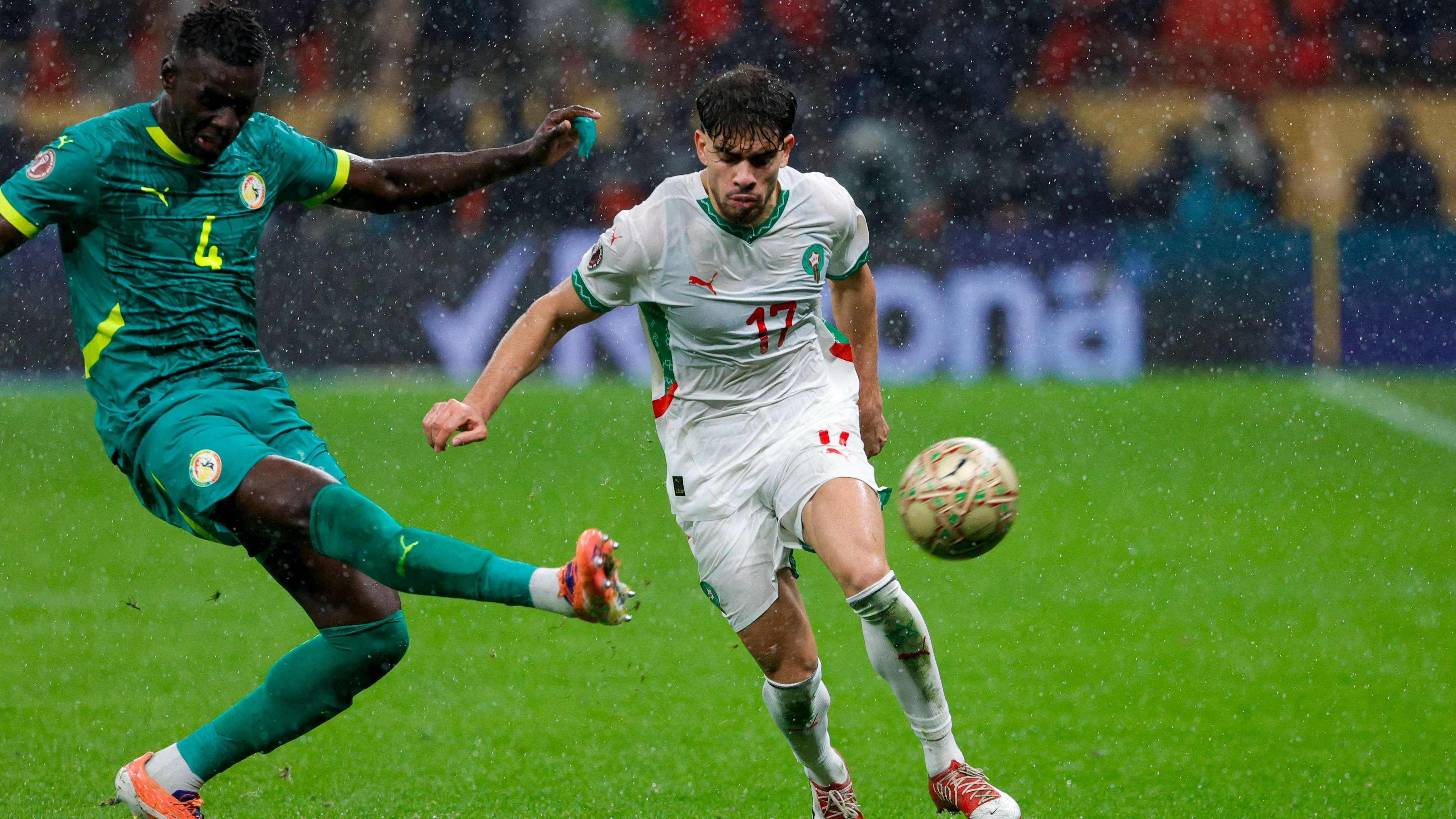
The recent football match where Senegal secured a narrow 1-0 victory is just the beginning of an unfolding controversy that could reshape the history of the Africa Cup of Nations (AFCON). The saga surrounding the 2025 AFCON final has escalated into a high-stakes legal dispute, with the Court of Arbitration for Sport (CAS) set to hold an official hearing to resolve the matter. This development marks a potentially historic moment in the world of football news, as the outcome could determine whether Senegal is awarded the title or if the tournament’s final result is upheld as decided by the Confederation of African Football (CAF).
The Controversial 2025 AFCON Final: A Summary of Events
The 2025 Africa Cup of Nations final was marred by controversy, tension, and unforeseen incidents. Originally, the match was expected to provide a thrilling conclusion to the continent’s premier football tournament. However, it ended under contentious circumstances when Morocco was declared the winner by default after Senegal withdrew from the match. The official decision from CAF stated that Senegal was recorded as losing by withdrawal, resulting in Morocco being awarded a 3-0 victory.
This decision sparked widespread debate across the football community and among fans, with many questioning the fairness and transparency of the process. Senegal’s federation argued that they were unfairly penalized and that the decision was unjustified, leading them to pursue legal action in an attempt to have the title officially awarded to their team.
Senegal’s Legal Challenge and the Role of CAS
On March 25, 2026, the Senegalese Football Federation officially lodged an appeal with the Court of Arbitration for Sport (CAS), seeking to overturn CAF’s ruling. The federation argues that their withdrawal was unjustified or based on unfair circumstances, and they insist that their team deserves recognition as champions of the 2025 AFCON.
The issue has now reached the highest judicial level in sports arbitration, with CAS confirming that a formal hearing will take place on October 8 at its headquarters in Lausanne, Switzerland. This session will be pivotal, as it could lead to the unprecedented decision to crown Senegal as the rightful champions, potentially rewriting the history books of African football news.
The Details of the CAS Hearing
The upcoming hearing will be conducted behind closed doors, as neither party requested a public session. According to CAS officials, the process adheres to the court’s standard procedures, and the timeline will follow the regular course rather than a fast-tracked approach. The decision to hold a private hearing aims to ensure a fair and confidential arbitration process, free from external influences or misinformation.
The hearing is scheduled to commence at 9:30 am local time, with representatives from both Senegal and Morocco attending in person. Senegal’s federation will be present in Lausanne, alongside legal representatives from CAF, who will be represented by their lawyers. The arbitration panel comprises three distinguished judges: Gérald Simon from France (president), Luigi Fumagalli from Italy, and Ulrich Haas from Germany. The court confirmed that proceedings will be conducted in French, facilitating a smooth and clear communication process.
The Potential Impact on Football News and African Football History
This legal dispute raises significant questions about the future of football governance in Africa, especially regarding how disputes are managed and resolved. If CAS rules in favor of Senegal, it could set a historic precedent where a football title is decided in a courtroom, a scenario virtually unheard of in the sport’s history. Conversely, if CAS upholds CAF’s decision, it might reinforce the authority of continental bodies in resolving disputes through administrative channels.
The implications extend beyond the immediate dispute, influencing how future tournaments are officiated and how conflicts are handled. For fans following football news, this case highlights the importance of transparency, fairness, and the rule of law in sports. It also underscores the evolving landscape of football governance, where legal proceedings can intersect with sporting results, especially in cases riddled with controversy and high stakes.
What to Expect Next
Once the hearing concludes, the arbitration panel will deliberate and issue a final ruling—though no specific date has been set for this decision. The timeline depends on the complexity of the case and the panels’ workload. Football fans worldwide are advised to stay tuned to official CAS channels and reputable sports news outlets for updates.
Meanwhile, the global football community continues to watch with keen interest, knowing that the outcome could influence the legacy of the 2025 Africa Cup of Nations and potentially reshape African football history. The case also invites broader discussions on how disputes are handled in international football and the importance of fair process in determining champions.
Key Takeaways for Football Fans and Enthusiasts
- Legal proceedings are underway: CAS will hear the case on October 8, 2023, at its headquarters in Lausanne, Switzerland.
- Parties involved: Senegalese Football Federation, Moroccan Football Federation, and CAF’s legal team.
- Potential historic decision: The case could result in Senegal being awarded the 2025 AFCON title, the first in history decided in a courtroom.
- Implications: The ruling could influence future football governance, dispute resolution, and tournament procedures in Africa and beyond.
Conclusion
The forthcoming CAS hearing marks a critical juncture in football news, reflecting how legal processes now play a significant role in resolving sporting disputes. As the world awaits the court’s decision, one thing remains clear: this case has the potential to redefine the boundaries between sports administration and judicial intervention.
Football fans, analysts, and stakeholders around the globe will be watching closely, eager to see whether justice prevails and how this landmark case will influence the future of African football competitions. Whatever the outcome, it underscores the evolving complexity of football governance in the 21st century—where passion, legality, and the pursuit of fairness intersect in the beautiful game.