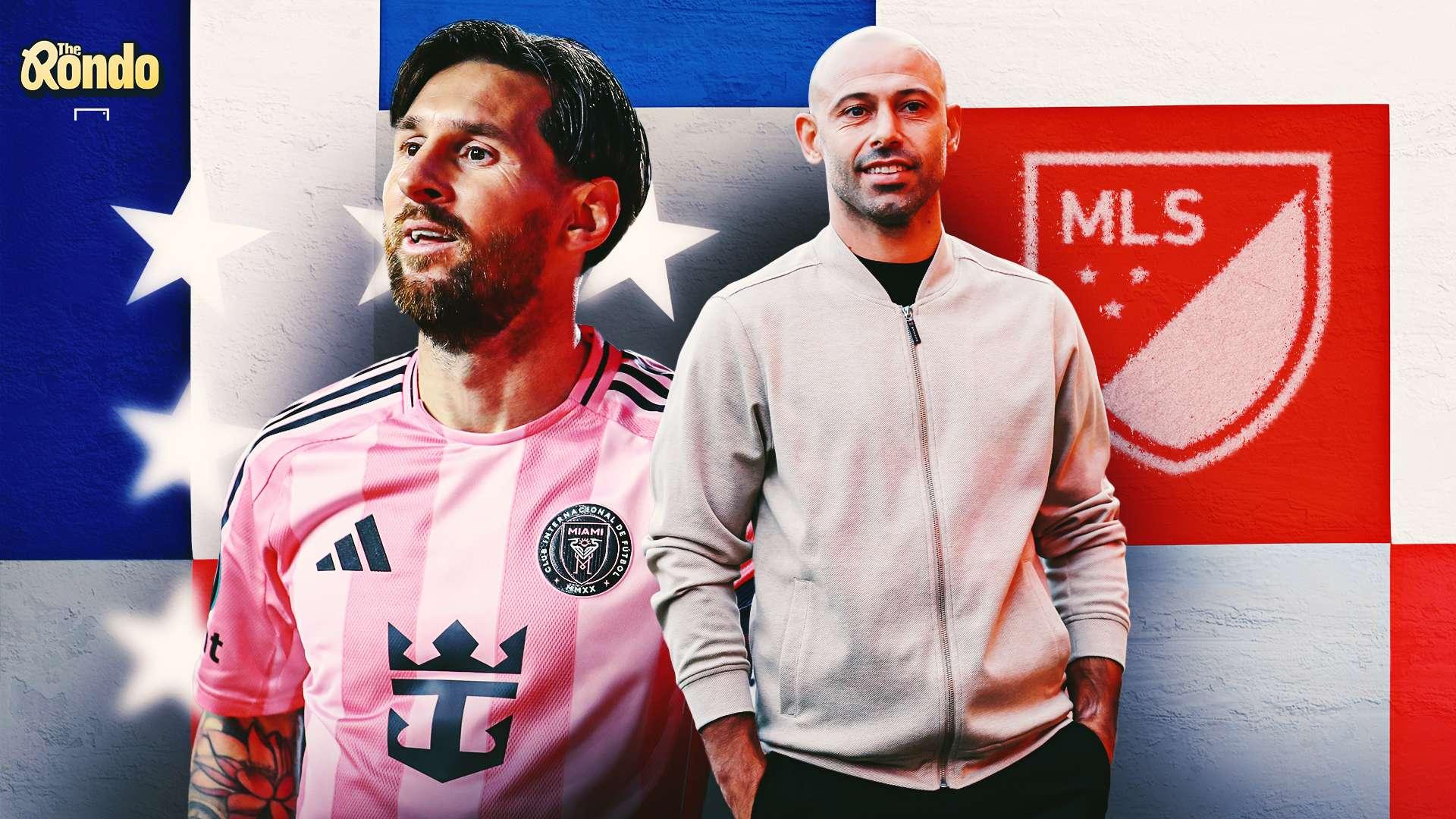
Should Players Like Messi Miss Games in MLS? Goal US Writers Discuss
Disappointment in Miami as Lionel Messi Misses Game with Houston Dynamo
Last week, soccer fans were left in disbelief when Inter Miami announced that Lionel Messi would not be traveling to Houston for their MLS fixture against the Dynamo. This decision sparked a frenzy on social media, with fans expressing both frustration and understanding for the absence of one of the greatest footballers of all time.
Inter Miami head coach Javier Mascherano cited a “congested schedule” as the reason for resting Messi, comparing it to the NBA’s concept of “load management.” The team had been playing matches in both the MLS and CONCACAF Champions Cup, leading to the decision to give Messi some much-needed rest.
Despite the rationality behind the decision, it raised questions about player workload and fan expectations. Should Messi be expected to play every game, especially at 37 years old? And what about the fans who eagerly awaited the opportunity to see him play in their stadium?
The Houston Dynamo, in a gesture of goodwill, offered free tickets to disappointed fans for upcoming games as a way to make amends for Messi’s absence. This move highlighted the impact that star players like Messi can have on opposing teams and their supporters.
Debating the Role of Superstars in MLS
As Messi’s absence raises questions about player workload and fan expectations, some are calling for a more structured approach to managing star players in the league. Should MLS intervene to prevent situations where players like Messi are rested for certain games?
Similar debates have taken place in other leagues, such as the NBA, where load management strategies have been implemented to ensure the health and performance of top players. Could a similar approach work in MLS to balance player rest with fan expectations?
These questions have been simmering since Messi first joined MLS in 2023, sparking discussions about the role of superstars in the league and how their presence can impact both teams and fans.
Looking Ahead: The Future of Player Management in MLS
As the debate continues, it remains to be seen how MLS will address the issue of player workload and fan expectations in the future. Will a more structured approach be taken to ensure that fans have the opportunity to see their favorite players in action?
Only time will tell how the league will navigate the delicate balance between player rest and fan engagement, but one thing is certain: the presence of players like Lionel Messi will continue to spark conversations and debates in the world of football.
Stay tuned for more updates and discussions on the role of superstars in MLS from Goal US writers.
Impact of Player Rest on Performance and Health
One aspect often overlooked in the debate over player workload is the long-term impact on performance and health. With modern football becoming increasingly demanding, players face a rigorous schedule that can lead to fatigue, injuries, and burnout. Resting players like Messi not only allows them to recover physically but also reduces the risk of sustaining injuries that could sideline them for an extended period.
By implementing load management strategies, teams can optimize player performance by ensuring that they are well-rested and able to perform at their best when on the pitch. This approach not only benefits the players themselves but also enhances the quality of the game by ensuring that fans get to see top-level performances from their favorite athletes.
Balancing Fan Expectations and Player Wellbeing
While fans may be disappointed when star players like Messi miss games, it is essential to consider the bigger picture of player wellbeing and longevity. In a league like MLS, where the season is already packed with games, managing player workload becomes crucial to maintaining a high level of competition and ensuring the health of the athletes.
Fans play a vital role in the success of any sports league, but it is important to strike a balance between meeting their expectations and prioritizing the health and performance of the players. By implementing thoughtful strategies for player management, MLS can ensure a sustainable and exciting sporting experience for both fans and athletes.
Enhancing the Fan Experience Through Strategic Player Management
While the absence of players like Messi may disappoint some fans in the short term, taking a more structured approach to player management can ultimately enhance the fan experience. By ensuring that star players are well-rested and able to deliver top-notch performances when they do play, MLS can create a more compelling and competitive league that keeps fans engaged season after season.
Furthermore, offering incentives like free tickets or special events to make up for players missing games can help build goodwill and strengthen the relationship between teams, players, and fans. These gestures show that teams value their supporters and are committed to providing an exceptional experience both on and off the field.
Conclusion
As the debate over player workload and fan expectations in MLS continues, it is clear that finding a balance between the two is essential for the long-term success of the league. By implementing strategic player management practices and prioritizing the health and performance of athletes, MLS can create a sustainable and exciting sporting environment that caters to both fans and players.
While the absence of players like Lionel Messi may spark controversy and discussion, it also presents an opportunity for the league to reevaluate its approach to managing star players and enhancing the overall fan experience. Ultimately, by striking a balance between player rest and fan engagement, MLS can solidify its position as a premier football league that attracts top talent and captivates audiences around the world.