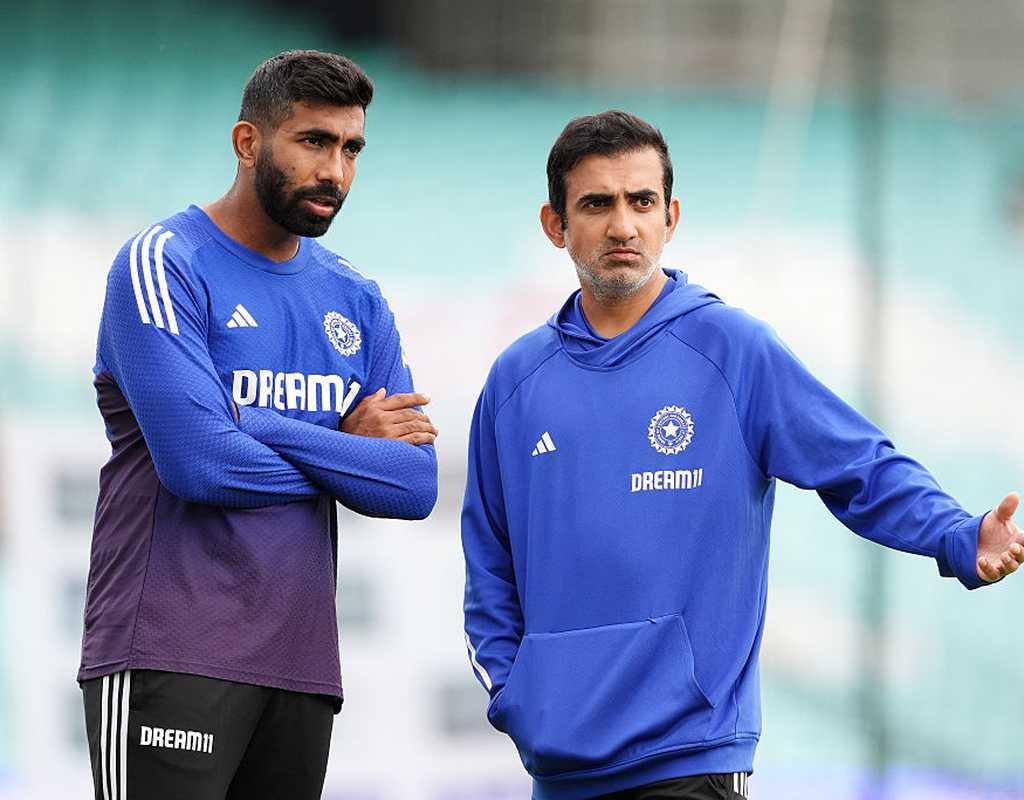
Jasprit Bumrah’s Rest and its Impact on the Anderson-Tendulkar Trophy
In the latest development surrounding the ongoing Anderson-Tendulkar Trophy between India and England, all eyes have been on the absence of Jasprit Bumrah from the Indian squad for the crucial Oval Test. Bumrah, who has been a standout performer with the ball throughout the series, was rested as part of a pre-planned strategy to manage his workload and preserve his body post his back injury in Australia.
Despite being a key player for India, Bumrah’s absence has raised questions and sparked discussions within the cricketing community. With 14 wickets from three games, including two five-wicket hauls, Bumrah has been a significant contributor to India’s bowling attack. However, the team management, led by batting coach Ryan ten Doeschate, made the tough decision to honor their initial plan of only playing Bumrah in three out of the five Tests.
Managing Bumrah’s Workload
Ten Doeschate highlighted the importance of respecting Bumrah’s physical condition and ensuring that he is not overworked, despite his exceptional performances in the series so far. The decision to rest Bumrah for the Oval Test was based on a careful assessment of his workload and the need to prioritize his long-term fitness and performance.
While Bumrah’s absence may have disappointed fans and put added pressure on the rest of the Indian bowling lineup, the team management’s decision underscores the importance of player management and strategic planning in modern cricket.
Impact on the Series
With Bumrah missing from the Indian lineup, the onus is now on the other bowlers to step up and fill the void left by the star pacer. The absence of Bumrah also presents an opportunity for other players to showcase their skills and contribute to India’s performance in the series finale.
On the other side, England faces a setback of their own with Chris Woakes suffering a shoulder dislocation during the first day of the Oval Test. Woakes, who has been a key player for England in the series, will be sorely missed for the remainder of the game, leaving a gap in the English bowling attack.
Looking Ahead
As the Anderson-Tendulkar Trophy reaches its climax, the absence of key players like Bumrah and Woakes has added an element of unpredictability to the series. Both teams will need to adapt their strategies and make the most of the resources available to them to secure a favorable outcome in the final Test.
While the absence of star players may impact the dynamics of the series, it also provides an opportunity for other players to step up and make a name for themselves on the big stage. As the drama unfolds at the Oval, cricket fans around the world will be eagerly awaiting the outcome of this closely contested series.
Strategic Considerations
Managing a player like Jasprit Bumrah’s workload is not just about resting him for a game; it involves a broader strategic approach to ensure his longevity and sustained performance over the course of his career. The Indian team’s decision to rest Bumrah for the Oval Test is a testament to their commitment to his well-being and their focus on long-term success.
By rotating key players like Bumrah, teams can prevent burnout, reduce the risk of injuries, and maintain a competitive edge throughout a series or a season. This approach requires careful planning, communication, and trust between the players, coaching staff, and the team management to execute effectively.
Opportunities for Emerging Talent
With Bumrah’s absence creating an opening in the Indian bowling lineup, young and upcoming bowlers in the squad have a chance to prove their mettle on the international stage. Players like Umesh Yadav, Shardul Thakur, and Mohammed Siraj now have an opportunity to showcase their skills and make a case for a more permanent spot in the team.
This shift in dynamics not only tests the depth of the Indian squad but also presents a platform for new talent to emerge and contribute to the team’s success. It is moments like these that often define the trajectory of a player’s career and shape the future of a team.
Adapting to Challenges
Both India and England will need to adapt quickly to the absence of key players and make strategic adjustments to their game plans for the final Test of the series. The teams will have to rely on their collective strengths, tactical acumen, and resilience to overcome the setbacks caused by injuries and resting players.
This adaptability is what separates great teams from good ones, as the ability to respond effectively to unforeseen circumstances can make all the difference in high-stakes matches like those in the Anderson-Tendulkar Trophy. It will be interesting to see how both sides approach the challenge and whether they can rise to the occasion in the face of adversity.
Global Cricketing Community’s Response
The absence of Jasprit Bumrah from the Oval Test has not gone unnoticed by fans, experts, and former players around the world. The decision to rest a key player in a crucial match has sparked debates about player workload management, the balance between short-term success and long-term sustainability, and the evolving dynamics of modern cricket.
This discussion extends beyond this specific series and raises broader questions about the pressures faced by elite cricketers, the role of rotation policies in international cricket, and the importance of prioritizing player welfare in a demanding sport like cricket. It reflects a growing awareness of the physical and mental toll that professional cricket can take on players and the need for proactive measures to safeguard their health and performance.
Conclusion
As the Anderson-Tendulkar Trophy nears its conclusion, the absence of Jasprit Bumrah serves as a reminder of the complexities and challenges inherent in elite cricket. The decisions made by teams in managing their players, the opportunities that arise for emerging talent, and the need for adaptability in the face of adversity all contribute to the drama and excitement of the sport.
While individual players like Bumrah may take center stage at times, cricket is ultimately a team sport that thrives on collaboration, resilience, and strategic thinking. The outcome of the final Test will not only determine the winner of the series but also showcase the ability of both teams to navigate obstacles, seize opportunities, and deliver compelling performances on the global stage.