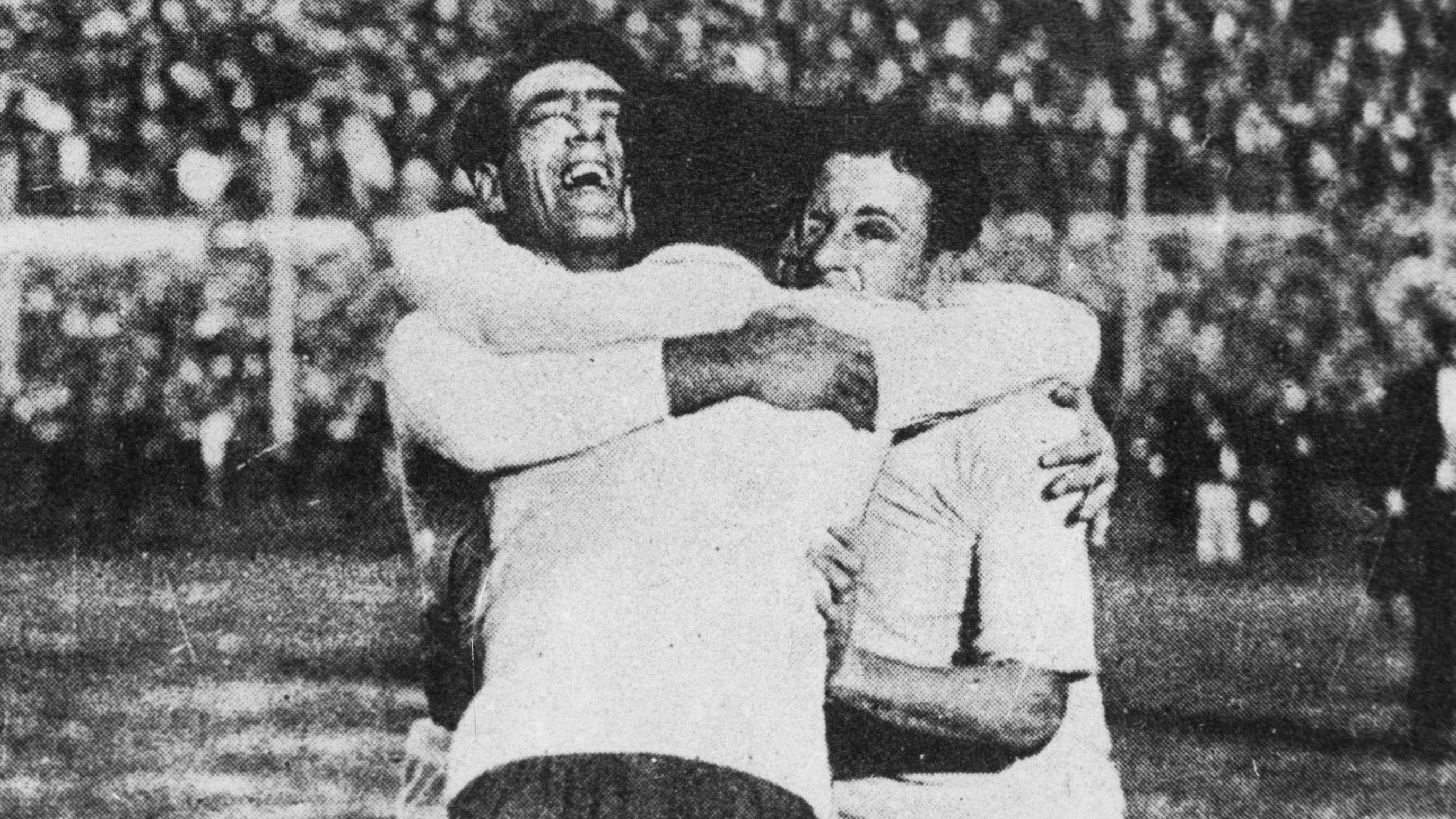
The Inaugural FIFA World Cup: A Historic Journey in Football History
Back in 1930, the world witnessed the birth of what would become the most prestigious football competition globally – the FIFA World Cup. The tournament marked a significant milestone in the history of football, showcasing international talent and setting the stage for a global sporting spectacle.
The Birth of the FIFA World Cup
The very first FIFA World Cup took place in Uruguay in 1930, in celebration of the nation’s centenary year since independence. The Fédération Internationale de Football Association (FIFA) capitalised on Uruguay’s football prowess, having won the Olympic gold medals in 1924 and 1928, by selecting them to host the inaugural tournament from July 13 to 30, 1930.
Despite initial hesitance from European nations due to the high costs and long duration of sea travel, a total of 13 teams participated in the tournament, including seven from South America, four from Europe, and two from North America. Ultimately, France, Belgium, Romania, and Yugoslavia made the journey to compete in the historic event.
Uruguay’s Triumph
The final match of the first FIFA World Cup took place on July 30, 1930, at the iconic Estadio Centenario in Montevideo, Uruguay, with a capacity of 93,000 spectators. The thrilling final pitted Uruguay against Argentina, two fierce South American rivals, in a match that would go down in history.
Uruguay took the early lead with a goal from Pablo Dorado, only to be quickly equalised by Argentina’s Carlos Peucelle. Guillermo Stabile then put Argentina in the lead before halftime. However, Uruguay staged a remarkable comeback in the second half, with Pedro Cea, Santos Iriarte, and Hector Castro scoring to secure a 4-2 victory and claim the trophy.
The victory not only marked Uruguay’s first FIFA World Cup title but also solidified their status as one of football’s early giants. The triumph was celebrated nationwide, with July 31 being declared a national holiday in honour of the historic victory.
Legacy of the First World Cup
The inaugural FIFA World Cup in 1930 laid the foundation for what would become a quadrennial event that captivates millions of fans worldwide. The tournament showcased the passion, skill, and drama of international football, setting the standard for future editions of the World Cup.
As fans look back on the historic journey of the first FIFA World Cup, they are reminded of the spirit of competition, sportsmanship, and national pride that define this prestigious tournament.
For more insights into the world of football, stay tuned for the latest football news and updates.
Evolution of the FIFA World Cup
Since its inception in 1930, the FIFA World Cup has evolved significantly, growing in size, popularity, and global reach. The tournament expanded over the years, with more teams participating and the format changing to accommodate the increasing number of footballing nations eager to compete on the world stage.
From the humble beginnings of 13 teams in Uruguay to the present-day format featuring 32 teams from around the world, the FIFA World Cup has become the most-watched sporting event globally. The tournament’s growth reflects the universal appeal of football and the passion it ignites in fans across continents.
Host Countries and Iconic Moments
Over the decades, the FIFA World Cup has been hosted by various countries, each leaving a unique mark on the tournament’s history. From Brazil’s iconic Maracanã Stadium hosting the 1950 final to Germany’s impressive stadiums in 2006, host nations have showcased their culture, hospitality, and love for the beautiful game.
Iconic moments in FIFA World Cup history, such as Diego Maradona’s “Hand of God” goal in 1986 or Zinedine Zidane’s headbutt in the 2006 final, have become ingrained in football folklore. These moments, both controversial and awe-inspiring, add layers of drama and intrigue to the tournament, captivating fans for generations to come.
Impact on Global Football
The FIFA World Cup has had a profound impact on global football, shaping the sport’s landscape and influencing player development, coaching techniques, and fan culture. The tournament serves as a platform for emerging talents to showcase their skills, leading to career-defining moments and international recognition.
Moreover, the FIFA World Cup has the power to unite nations, transcend barriers, and foster a sense of camaraderie among fans worldwide. The tournament brings people together, regardless of nationality, religion, or background, celebrating the universal language of football and the joy it brings to millions around the globe.
Looking Ahead: Future of the FIFA World Cup
As football continues to evolve and adapt to changing trends, the FIFA World Cup remains a cornerstone of the sport, promising excitement, drama, and unforgettable moments. With technological advancements, new playing styles, and rising stars on the horizon, the future of the tournament is full of possibilities and potential.
As fans eagerly anticipate the next edition of the FIFA World Cup, they can expect to witness history in the making, as nations battle for supremacy on the world stage and players strive for glory and recognition. The legacy of the inaugural FIFA World Cup in 1930 lives on, inspiring generations of footballers and fans to dream, believe, and achieve greatness.
For the latest football news and updates, stay tuned to our platform for all the exciting developments in the world of football.